PLC ECE161-0 Processors
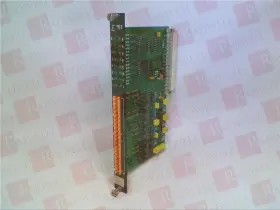
( Brand: Plc ), ( Manufacturer Part Number: ECE161-0 )
Review PLC Ece1610 Used
The ECE161-0 ECE1610 Integrated Circuit (IC) is a high-performance, low power, single-chip solution designed for various applications in the field of power management and motor control. This IC is ideal for use in switched-mode power supplies, DC-DC converters, and motor drives, making it a versatile component for engineers and designers in the electronics industry.
The ECE161-0 ECE1610 comes in a compact 16-pin DIP package, making it easy to integrate into any design. It features a low quiescent current of 90 A, ensuring minimal power consumption when the IC is in standby mode. The IC can operate over a wide voltage range of 4.5V to 36V, providing flexibility in design and application.
The ECE161-0 ECE1610 is equipped with a variety of control functions, including over-voltage protection, over-current protection, and thermal shutdown. These features help to ensure the safe and reliable operation of the IC and the connected circuitry. Additionally, the IC includes a programmable comparator that can be used for voltage or temperature sensing, providing additional functionality and customization for the user.
The IC also includes a built-in flyback controller, which simplifies the design of flyback converters and reduces the need for external components. Furthermore, the IC features a high-frequency PWM generator with a frequency range of up to 200kHz, allowing for efficient power conversion and minimal electromagnetic interference.
In terms of motor control, the ECE161-0 ECE1610 includes a six-phase half-bridge driver capable of driving inductive loads up to 2A each. The IC also includes a synchronous rectification feature, which helps to improve the efficiency of the motor drive and reduce power loss.
Overall, the ECE161-0 ECE1610 is a powerful and versatile IC that offers a range of features for power management and motor control applications. Its low power consumption, wide operating voltage range, and built-in protection functions make it a reliable and efficient solution for engineers and designers looking to optimize their electronic designs.
ECE1610 (also known as Digital Logic Design) is an alternative offering to the more traditional ECE161 (Discrete Circuits and Logic Design) course in Electrical Engineering and Computer Science (EECS) programs. Both courses aim to provide students with a solid foundation in digital logic design and sequential circuits. Here, we will discuss the pros and cons of taking ECE1610 over ECE161 to help you make an informed decision.
Pros of ECE1610:1. Modern focus: ECE1610 incorporates modern digital design concepts using FPGAs (Field-Programmable Gate Arrays) and Verilog or VHDL (Hardware Description Languages). This approach is more industry-standard and prepares students for real-world applications.
2. Flexibility: Students can design and simulate their circuits on the computer, allowing for more in-depth exploration and experimentation.
3. Project-based learning: ECE1610 often includes more hands-on projects and design exercises, which can help students develop a better understanding of the material.
4. Industry relevance: The use of modern technologies and design methodologies in ECE1610 makes the course more industry-relevant and prepares students for careers in digital design.
Cons of ECE1610:1. Learning curve: Students may face a steeper learning curve as they need to learn new tools and technologies, such as FPGAs, Verilog or VHDL, and advanced digital design concepts.
2. Limited lab experience: While ECE1610 offers more opportunities for computer-based design and simulation, it may provide fewer opportunities for hands-on lab experience building and testing circuits.
3. Increased workload: The project-based nature of ECE1610 may require more time and effort from students, as they need to design, simulate, and test their circuits.
Conclusion:Both ECE161 and ECE1610 provide students with a strong foundation in digital logic design and sequential circuits. ECE1610, with its modern focus on FPGAs and industry-standard design methodologies, offers advantages in terms of relevance and flexibility for students. However, it comes with a steeper learning curve and potentially fewer opportunities for hands-on lab experience. Ultimately, the choice between the two courses depends on individual learning styles, career goals, and the specific program requirements. Students who are interested in a more project-based, modern approach to digital design may find ECE1610 to be a better fit, while those who prefer a more traditional, laboratory-oriented experience may prefer ECE161. It's essential to carefully consider your goals, interests, and the resources available to you before making a decision.
Recommendation:If you are interested in a modern, project-based approach to digital logic design and have a strong foundation in electronics and programming, ECE1610 could be an excellent choice for you. However, if you prefer a more traditional, hands-on laboratory experience, ECE161 may be more suitable. Ultimately, it's essential to research the specific offerings of your program and consult with your academic advisor or professors to determine which course is best for your educational goals and learning style.
Details:
Call to use a shipping service other than the ones listed. Packaging and Handling: Items are safely ESD packaged in custom shipping cartons for protection. All products are guaranteed to be working but may show signs of use if purchasing a used product. B R ECE161-0 / ECE1610 USED DISCONTINUED BY MANUFACTURER, INPUT MODULE, MULTI, DIGITAL, 24 V AC/DC, 16 POINT, 10-20 MSEC, SINK/SOURCE.
Sells new and surplus product develops channels to purchase such.
specifications plcmechanize:
- brand: Plc
- manufacturer part number: ECE161-0
shipping Plcmechanize:
- cost: $12.90
- transit: 28-33 Days
- service: Standard
- class: Standard
- type: Fixed
offer Plcmechanize:
- options: Ship-to-home
- availability: In Stock
- started: February 28, 2026
- sold: 0
- quantity: 1
returns Plcmechanize:
- paid by: Buyer
- method: Money back
- time: 30 Days
- policy: Returns Accepted
payments Plcmechanize:
- wallet: Paypal
- other
- credit card: Visa
seller Plcmechanize:
- rating: 99.6%
- city: 1 Millennium Dr, Willingboro, NJ 08046
- # reviews: 192442
general Plcmechanize:
- condition: Used
- Industrial Automation Motion Controls > PLCs HMIs > PLC Processors
Plc ECE161-0 Is Similar To:
- Velocio Ace-1800 Ace 1600 Plc Used Excellent Condition (37.6% similar) The board is a USA made product and comes with unit quantity of one. With a focus on quality and performance, this unit is sure to meet your expectations. Whether you're in need of a replacement board or are just starting out with automation, this velocity ace 1600 Plc is an excellent...(June 11th, 2024)
- Keyence Kv24dt Plc 24-point Programmable Controller Module Used Rr (22.7% similar) Keynes KV24DT Plc 24-POINT programmable controller module used RR...(June 14th, 2024)
- Fanuc A860-0392-v901 1pc Used Built-in Sensor 1.2 Meter Cable A8600392v90 Plc Us (18% similar) 25B-D6P0N104. Dear customer, there is one things need to be noticed before placing an order. Operating various types of industrial products, mechanical modules. 22B-D010N104. 25B-D1P4N104. 25B-D2P3N104...(June 24th, 2024)
- Mitsubishi Q173cpun Used And Tested Q-series Plc Cpu Unit (18.2% similar) The product at fixed price, please pay as soon possible after the purchase. Shipping detail. Please leave a telephone number for on-time delivery. Return police: you should receive the item within 2-4 weeks. Serious buyers only, please. It will just take you 1 minute...(June 26th, 2024)
- Omron C20-cpu74e Used Plc C20cpu74e Expedited Shipping (23.5% similar) Please leave a telephone number for on-time delivery. Return police: it will just take you 1 minute...(July 23rd, 2024)
- Panasonic Nais Fp1c56 Used And Tested Fp1-c56 Plc Module (23% similar) You should receive the item within 2-4 weeks. Return police: serious buyers only, please. The product at fixed price, please pay as soon possible after the purchase. It will just take you 1 minute. Shipping detail. Please leave a telephone number for on-time delivery...(July 25th, 2024)
- Schneider Tsxp572623m 1pc Used Tsx P572623m Plc Module In Box Free Shipping (18.9% similar) Dear customer, there is one things need to be noticed before placing an order. 25B-D2P3N104. 22B-D010N104. 25B-D1P4N104. Operating various types of industrial products, mechanical modules. 25B-D6P0N104...(August 7th, 2024)
- Allen-bradley 1756-l75 b Controllogix 5575 Plc Processor Used (28% similar) Allen Bradley 1756-L75 /b controllers 5575 Plc processor used...(August 9th, 2024)
- Fuji Fpu080ha10 Used And Tested Fpu080h-a10 Plc Programmable Controller Cpu Micrex-f (15.7% similar) Used tested Fuji FPU080H-A10 Plc programmable controller CPU micros-f, free USA shipping via ups ground...(August 9th, 2024)
- Beckhoff S60300-520 Ax2003 S60300 520 Plc Used (31.2% similar) Operating various types of industrial products, mechanical modules...(August 24th, 2024)
- Omron Ns12-ts01b-v1 Used 1pc Plc Touch Screen (31.6% similar) We very glad to solve all problem with you...(August 28th, 2024)
