HONEYWELL TC-CCR014 Pwa Redundant Net Interface 1X
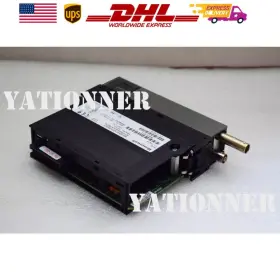
( Brand: Honeywell ), ( Country Of Origin: United States ), ( Manufacturer Part Number: TC-CCR014 )
Review HONEYWELL 1x Pwa Redundant Net Interface
The Honeywell TC-CCR014 is a versatile and reliable 1-inch analog controller designed for use in HVAC and refrigeration applications. It is equipped with a redundant net interface (RNI) that provides an additional communication path for enhanced system reliability.
This controller features a user-friendly and intuitive interface with a large, backlit LCD display. The display shows critical system information, including temperature setpoint, current temperature, and fault codes. The controller also has a built-in keypad for easy programming and configuration.
The TC-CCR014 supports multiple communication protocols, including MODBUS, BACnet, and LonWorks. This flexibility allows for seamless integration with various building automation systems and other devices. The RNI provides an additional communication path, ensuring that system data is always available, even if the primary communication path fails.
The controller is designed for harsh environments and can operate in temperatures ranging from -40 F to 158 F (-40 C to 70 C). It is also UL 508A certified, ensuring that it meets the highest safety standards.
The TC-CCR014 has a wide temperature range input and can be used with a variety of sensors, including thermocouples, RTDs, and thermistors. It also has a built-in heater output, making it suitable for applications that require temperature control and output.
The controller's redundant net interface provides an additional layer of security, ensuring that system data is always available and that any potential communication issues are quickly identified and resolved. This feature makes the Honeywell TC-CCR014 an excellent choice for mission-critical applications where system reliability is paramount.
The Honeywell TC-CCR014 PWA Redundant Net Interface is a communication device designed for use in process control applications. It offers a primary and secondary Ethernet port for redundancy, ensuring continuous communication between the control system and the network. Here are some pros and cons of buying this device:
Pros:1. Redundant Ethernet Ports: The primary and secondary Ethernet ports provide a reliable communication path. In the event of a network failure, the secondary port automatically takes over, minimizing downtime.
2. Robust Design: The device is designed for harsh industrial environments, with a temperature range of -40 C to 70 C and a high level of electromagnetic interference (EMI) immunity.
3. Easy Configuration: The TC-CCR014 can be easily configured using Honeywell's Uniform Machine Interface (UMI) or the web-based interface.
4. Support for Both PROFIBUS DP and HART: The device supports both PROFIBUS DP and HART protocols, providing flexibility in communication and integration with various process control systems.
Cons:1. Cost: The TC-CCR014 is a premium communication device, and its cost may be a significant consideration for some applications.
2. Limited Number of I/O Points: The device has no built-in I/O points, and additional I/O modules would be required for data acquisition or control functions.
3. Complex Setup: While the device is easy to configure, setting up a redundant network with multiple TC-CCR014s may require more advanced knowledge and expertise.
In conclusion, the Honeywell TC-CCR014 PWA Redundant Net Interface is a reliable and robust communication device designed for use in harsh industrial environments. Its redundant Ethernet ports ensure continuous communication, and its support for both PROFIBUS DP and HART protocols provides flexibility. However, its cost and the need for additional I/O modules for data acquisition or control functions may be drawbacks for some users.
Recommendation: If you require a reliable communication device for use in a harsh industrial environment with redundant Ethernet ports and support for both PROFIBUS DP and HART protocols, the Honeywell TC-CCR014 PWA Redundant Net Interface is a good choice. However, consider the cost and the need for additional I/O modules before making a final decision.
Details:
part #: tcccr014 prices
- $350.00-$2503.22
specifications plcmechanize:
- brand: Honeywell
- country of origin: United States
- manufacturer part number: TC-CCR014
seller plcmechanize:
- city: Miami, Florida
- # reviews: 63
- rating: 100.0%
offer plcmechanize:
- quantity: 10
- best offers: True
- started: March 5, 2026
- options: Ship-to-home
- sold: 0
- availability: In Stock
general plcmechanize:
- Industrial Automation Motion Controls > PLCs HMIs > PLC Processors
- condition: New
returns plcmechanize:
- method: Money back
- time: 30 Days
- policy: Returns Accepted
- paid by: Seller
shipping plcmechanize:
- transit: 5-10 Days
- class: Standard
- type: Fixed
- service: Standard
- cost: $0.00
payments plcmechanize:
- other
- credit card: Discover
- wallet: Google-pay
Honeywell TC-CCR014 Is Similar To:
- Honeywell 51306920-126 Usio Redundant Iot Fc-tuio11 Pwa Rev B G-15 (48.3% similar) HIV model -p/n USO redundant Ito FCC-too 11 pwa 51306920-126 rev displays signs of normal wear and tear. Model -p/n USO redundant Ito FCC-too 11 pwa 51306920-126 rev b, condition item is in good cosmetic condition. List anything wrong with it. Kept in a clean working...(November 14th, 2024)
- Honeywell 51304362-350 Mc-psim11 Serial Interface (54.5% similar) The Honeywell MC-psi 11 51304362-350 serial interface is a specialized component designed for industrial automation and motion control systems. This device is an essential component for ensuring smooth operation and precise control in industrial automation applications. Specifically, it is a...(February 5th, 2026)
- Honeywell 51305378-100 Tdc Ikbi2 Pwa Integrated Keyboard Interface (53.4% similar) Shipping and handling. The item that you are purchasing is used and may have scratches dents, please review the pictures before. High priced items may require a signature. No power cable / adapter or any accessories. Item is used and shows signs of use. Honeywell DC 51305378-100 Ibo 2...(February 20th, 2026)
- Honeywell 51454493-126 Rev F Interface Card Lcnp4e2 (53.5% similar) Packing: device equipment only. High priced items may require a signature. Shipping and handling. Item is used and shows signs of use. Honeywell 51454493-126 rev f interface card LCNP4E2: condition: used. The item that you are purchasing is used and may have scratches dents...(April 18th, 2026)
- Honeywell 51402573150 51402573-150 Rev B Hpm Ucn Interface Module Removed In Working Order (39.7% similar) B HM UN interface module. Item shown may not be exact item shipped. Used items may have minor wear in the form of scuffs and scratches. Used, removed in working order Honeywell 51402573-150 rev...(May 28th, 2026)

5 offers $350.00–$2503.22 USD
- New. Offer #1 priced at $2503.22 + $0.00 delivery = $2503.22* total. FREE SHIPPING
- Used. Offer #2 priced at $350.00 + $16.45 delivery = $366.45* total. Pulled from a working. Display signs of normal wear and tear.+$16.45 shipping
- Used. Offer #3 priced at $350.00 + $16.45 delivery = $366.45* total. 10.008 REDUNDANT NET INTERFACE DUAL/RED FW 96469694 Model - P/N PN-14247 F/W REV.+$16.45 shipping
- Used. Offer #4 priced at $350.00 + $16.45 delivery = $366.45* total. Model - P/N REDUNDANT NET INTERFACE 97321174.+$16.45 shipping
- Used. Offer #5 priced at $139.99 + $0.00 delivery = $139.99* total. FREE SHIPPING